
Literature’s high stakes exploring gambling’s role in storytelling
The Intersection of Gambling and Narrative
Gambling has been a captivating element in literature, weaving its way through narratives and character arcs. This dynamic interplay between risk and reward adds layers of complexity to storytelling, making characters’ journeys more engaging. Whether it’s through literal gambling scenes or metaphorical stakes, the act of gambling often serves as a pivotal plot device that drives tension and reveals deeper truths about the human experience. To explore these dynamics, you can visit source for more insights.
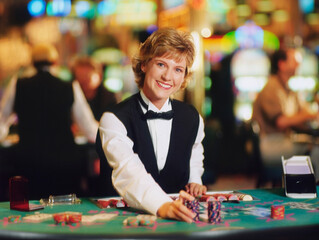
The allure of gambling can represent not just monetary stakes but also existential dilemmas faced by characters. The high stakes involved create a fertile ground for conflict, character development, and thematic exploration. Authors often utilize gambling to symbolize broader societal issues, such as addiction, luck, and fate, enhancing the richness of their storytelling.
Women in Gambling Narratives
Women have historically been portrayed in various ways within gambling narratives, ranging from femme fatales to resilient survivors. These portrayals reflect societal views and challenges that women face in both literature and reality. Characters like the cunning gambler or the unwitting victim often illustrate the complexities of gender roles within the gambling world, providing insight into the struggles for agency and empowerment.
By examining women’s roles in gambling, literature opens a dialogue about gender stereotypes and societal expectations. The evolution of these characters often mirrors the changing landscape of women’s rights and independence, adding depth to their narratives. As more female authors and protagonists emerge, the depiction of women in gambling is becoming more nuanced, showcasing strength, vulnerability, and resilience.
Thematic Implications of Risk
The themes associated with gambling, such as risk and reward, are not confined to the act itself but resonate throughout literature. The risks taken by characters often reflect larger life choices, making their experiences relatable to readers. The tension created by high-stakes scenarios compels audiences to engage more deeply with the narrative, drawing parallels between the gambling metaphor and real-life uncertainties.
This thematic exploration can lead to philosophical questions about fate, free will, and the consequences of our choices. Authors skillfully weave these elements into their stories, prompting readers to reflect on their own lives and the bets they take, whether emotionally, socially, or financially. Thus, gambling becomes a microcosm of life’s unpredictable nature.
Symbolism of Gambling in Literature
Gambling serves as a powerful symbol in literature, representing not only chance but also the unpredictability of life itself. This symbolism often reflects the internal struggles of characters, emphasizing their desires and fears. The act of placing a bet can signify a character’s willingness to embrace uncertainty or confront their own limitations.
In many narratives, the outcomes of gambling not only impact the character’s fortunes but also serve as metaphors for broader themes such as ambition, greed, and redemption. The stakes of a game can mirror the stakes of life decisions, showcasing how individuals navigate their personal journeys through the lens of risk and chance.

Kindexchange: A Space for Storytelling
Kindexchange serves as a platform for creators to share and explore narratives across various domains, including those influenced by themes of gambling. By facilitating exchanges of ideas and resources, it fosters a community of storytellers who can delve into high-stakes narratives that resonate with audiences. The platform promotes collaboration and engagement, allowing for diverse voices to emerge in storytelling.
Through Kindexchange, authors can connect with one another, share insights, and inspire new narratives that reflect the complexities of gambling and its role in life. This environment not only enhances the storytelling experience but also creates a supportive space for creativity to flourish, ensuring that literature continues to reflect the high stakes of human experience.
Leave a Comment
Your email address will not be published. Required fields are marked *