
The Role of Emotion in Betting Decisions
Emotions play a pivotal role in shaping an individual’s choices at the casino. When players experience excitement or anticipation, they often feel compelled to place larger bets or select riskier games. This emotional high can lead to impulsive decisions that may not align with logical thinking or past experiences. Indeed, many players are drawn to the thrill of high-stakes gameplay, often seeking out non gamstop casino options that promise more excitement.
Moreover, negative emotions like frustration or disappointment can also impact betting behavior. Players attempting to recover losses may fall prey to the “chase” mentality, where they continue to wager in hopes of a comeback. This psychological trap can lead to less rational choices, as the desire to win overshadows sound judgment.
The Impact of Cognitive Biases
Cognitive biases heavily influence how players perceive their chances of winning and the outcomes of their bets. One common bias is the “gambler’s fallacy,” where individuals believe that past results affect future outcomes, leading them to make decisions based on streaks or patterns that do not actually exist. This can skew players’ choices towards games or bets they believe are “due” for a win.
Confirmation bias also plays a significant role; players often seek information that supports their existing beliefs about games or betting strategies. This can create a self-fulfilling prophecy, where players stick to certain games or tactics because they remember their successes and ignore their failures, further influencing their betting behavior.
The Social Influence of Gambling
The social environment in which gambling occurs can significantly affect game choices. Players often engage in betting activities in groups, where social dynamics and peer pressure can drive decisions. For instance, seeing friends win on a specific game can encourage others to choose the same, regardless of their personal preferences or experiences with that game.
Additionally, the communal aspects of gambling, such as chatting with others or celebrating wins together, can amplify the enjoyment and incentivize players to continue betting. These interactions create a sense of belonging, which can overshadow individual decision-making processes and lead to more group-oriented betting behaviors.
The Influence of Game Design and Marketing
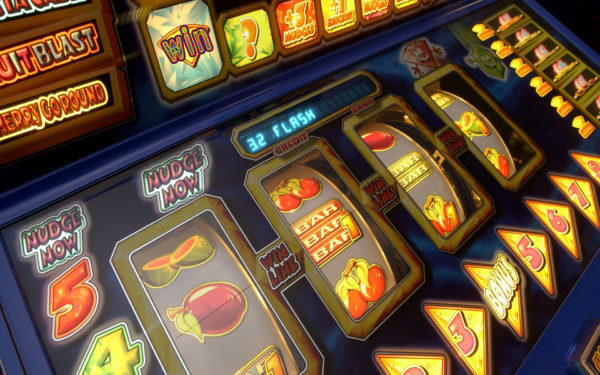
The design of casino games is meticulously crafted to appeal to psychological impulses. Elements such as vibrant graphics, enticing sound effects, and the structure of rewards are all geared towards maximizing player engagement and excitement. Games that offer frequent small wins can create a false sense of security, encouraging players to wager more under the illusion that they have a better chance of winning.
Marketing strategies also play a crucial role in shaping player choices. Promotions, bonuses, and loyalty programs are used to attract players to specific games or casinos. These strategies exploit psychological principles by creating an urgency or scarcity effect, making players feel they need to act quickly to capitalize on the offers, which directly influences their betting selections.

Understanding the Limitations of Online Resources
While the internet offers a vast array of information on casino games and betting strategies, it’s essential to recognize its limitations. Many online resources might not provide an accurate representation of game outcomes or psychological insights, leading players to make poorly informed decisions. The complex interplay of psychology and gambling means that players should be cautious about relying solely on available online content for guidance.
Furthermore, players are encouraged to explore various resources to deepen their understanding of the psychological influences that shape their gambling habits. Recognizing these factors can empower individuals to make more informed choices about their game selections and betting behaviors.