
Cultural nuances that shape casino experiences around the world
The Role of Culture in Gambling Preferences
Cultural influences play a critical role in shaping gambling preferences around the world. For instance, in countries like Japan, pachinko parlors dominate the gaming landscape, offering a unique blend of gaming and gambling that is deeply embedded in local culture. The game’s vibrant visuals and social atmosphere reflect community values, emphasizing entertainment over monetary gain. This contrasts sharply with the more individualistic approaches seen in Western nations, where traditional casinos focus heavily on table games and slot machines, catering to a different set of expectations and desires. A prime example of this engaging gameplay experience can be found in the temple of boom poki, which immerses players in thrilling challenges.
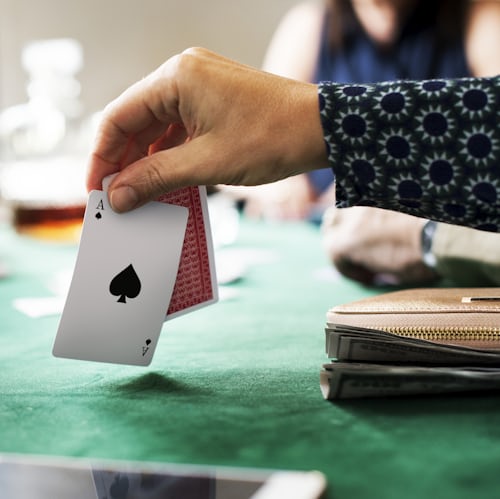
In the United States, the gambling culture has evolved through a mix of historical, legal, and social factors. The glitz and glamor of Las Vegas, for example, highlight a distinct preference for high-stakes games and extravagant entertainment, which are integral to the American casino experience. Additionally, state regulations influence the types of games available, leading to unique variations like tribal casinos that infuse native cultural elements into their offerings. These cultural nuances demonstrate how local values influence the casino landscape, impacting everything from game selection to overall ambiance.
Moreover, in many Asian cultures, gambling is often perceived through the lens of luck and fate, leading to rituals and practices that seek to enhance fortune. For example, in Chinese culture, the concept of feng shui plays an essential role in casino design, aiming to create harmonious environments that attract prosperity. These deep-rooted beliefs shape not only how games are played but also how casinos are constructed and operated, fostering an experience that resonates with cultural significance beyond mere entertainment.
The Social Dynamics of Casino Experiences
The social interactions that occur within casinos are heavily influenced by cultural norms. In many European countries, gambling is often a social activity where friends and families gather to enjoy time together. This contrasts with the solitary nature of gaming often found in American casinos, where individual play prevails. Such differences reflect broader societal values: community and connection in some cultures versus self-reliance and competition in others.
In regions such as the Mediterranean, casinos serve as social hubs, where dining, nightlife, and gaming intertwine. These establishments often feature lavish restaurants and lively entertainment, allowing guests to experience a more communal environment. Such social dynamics not only enhance the gaming experience but also encourage repeat visits, as patrons seek the camaraderie and shared excitement that these settings foster.
Conversely, in places like Russia, gambling is often viewed with a mix of skepticism and intrigue. The social atmosphere in casinos may revolve around exclusivity, with high-stakes areas catering to a more affluent clientele. This exclusivity creates a different kind of social dynamic, where status and wealth can dictate interactions. Understanding these nuances helps in appreciating how social contexts can shape casino experiences on a global scale.
Regulations and Their Cultural Impacts
Regulatory frameworks surrounding gambling vary significantly across countries and directly impact the casino experience. For instance, in some Middle Eastern nations, strict regulations limit the types of gambling activities available, often leading to underground gaming venues that operate outside the law. This tension creates an allure and sense of adventure that shapes the gambling culture in these regions, as participants often engage in activities deemed illicit.
In contrast, nations like Canada and Australia have embraced more liberal gambling laws, allowing for a wide range of activities from sports betting to online gaming. These regulations reflect cultural attitudes towards gambling, treating it as a form of entertainment rather than a moral failing. As a result, casinos in these countries often thrive, offering a diverse array of games and amenities that cater to a broad audience while promoting responsible gambling practices.
Additionally, the implementation of regulations can also be influenced by historical events and cultural shifts. For instance, post-war economic recovery in Japan led to an explosion of gaming establishments, with regulations gradually adapting to the changing landscape. This adaptability highlights how cultural nuances and economic factors intertwine to shape the evolution of gambling regulations, ultimately influencing the overall casino experience in different regions.
Technological Influences on Global Casino Culture
The rise of technology has significantly transformed the casino landscape, creating varied experiences based on cultural acceptance of innovation. Online gambling has surged in popularity across many Western nations, where technology is readily embraced. This shift not only expands access but also alters traditional perceptions of gambling, allowing individuals to engage from the comfort of their homes. However, the acceptance of online gaming is less pronounced in cultures that prioritize in-person social interactions, leading to a slower adoption rate in these areas.
In Asian markets, mobile gaming applications have become increasingly popular, as they cater to a younger demographic that values convenience. The integration of live dealer options offers a blend of virtual and real-world experiences, allowing players to engage with dealers in real-time from their devices. This technological innovation reflects a cultural shift toward hybrid gaming experiences that resonate with local preferences, merging traditional gaming with modern conveniences.
Furthermore, the use of technology in casino design itself is evolving, with many establishments investing in virtual reality experiences to enhance customer engagement. Casinos in Las Vegas, for example, have begun incorporating virtual reality attractions to attract a tech-savvy audience, showcasing how cultural nuances can dictate the type of technological integration that resonates with patrons. This ongoing evolution underscores the complex relationship between culture and technology in shaping global casino experiences.

Exploring Online Gaming Platforms
Online gaming platforms have become a significant aspect of the casino landscape, catering to a wide range of cultural preferences and gaming styles. These platforms offer players the convenience of accessing games from anywhere, making them popular in regions where traditional casinos may not be as accessible. The cultural shift toward digital entertainment has paved the way for a thriving online gambling community, where players can engage with both local and international games.
These platforms also cater to specific cultural themes, offering games that resonate with diverse audiences. For instance, Asian-themed slot machines and games often incorporate cultural symbols and narratives that appeal to players, while Western-themed games celebrate folklore and traditions. By customizing offerings based on cultural context, online casinos can create a more immersive experience that connects with players on a personal level.
Moreover, online gaming platforms often emphasize social interaction through features such as live chats and multiplayer options. This aligns with cultural values that prioritize community engagement, allowing players to share experiences and strategies. These platforms not only cater to individual preferences but also foster a sense of belonging, demonstrating how online gaming can reflect cultural nuances while providing an engaging casino experience.
Leave a Comment
Your email address will not be published. Required fields are marked *